



Whoa! I remember the first time I clicked a “connect wallet” button and felt a little nervous. My instinct said this was somethin’ risky, but curiosity won out and I tried it anyway. The surprise was how seamless the flow felt—almost like a tap-and-go banking app—but running on a blockchain that moves at breakneck speed and sometimes forgets it has traffic. Initially I thought browser wallets would be clunky, though then I realized the UX improvements over the last two years are dramatic and worth talking about in plain terms. Here’s the thing: if you care about Solana DeFi and low-fee trading, a well-built extension changes how you interact with dapps and your own money, and that shift matters more than it might seem at first.
Seriously? Yes, seriously. In practice, using a browser extension wallet like Phantom simplifies token swaps, NFT flows, and staking without forcing you to juggle raw key files or CLI tools. My early take was that this convenience comes with trade-offs—security being the obvious one—but the balance has tipped toward good design patterns: encrypted local keys, hardware wallet integration, and clearer permission prompts. Actually, wait—let me rephrase that: the risks are still real, yet the experience now nudges users toward safer decisions more often than it used to. On one hand you gain usability and on the other hand you still need to be vigilant, though the app helps reduce stupid mistakes by default.
Hmm… here’s a quick anecdote. I was testing a new AMM on a Tuesday afternoon and almost approved a permission that looked fine until I paused. Something felt off about the contract name. My instinct saved me—seriously—and I canceled the transaction, then dug into the contract address on-chain to confirm. That pause is crucial; the wallet gave me enough info to make that pause meaningful instead of panic-inducing. I’m biased, but I think the best wallet extensions are built to encourage that one-second hesitation where users ask: “Do I really want to do this?”
Whoa! The technical backbone matters too. Solana’s low latency and low fees amplify small UX wins into a genuinely delightful experience for everyday DeFi tasks. Medium-size trades that would cost a bundle on other chains feel like micro-interactions here, and that changes behavior—users swap more, experiment more, and sometimes learn faster. On the other hand, that very ease can encourage reckless behavior if people stop reading permission prompts, so design has to compensate with defaults and nudges that prioritize safety. In long-run thinking, the platforms that pair fast chains with thoughtful extensions will likely foster healthier ecosystems, though it’s never guaranteed.
Okay, so check this out—security is not binary. Short fixes like password-protecting your extension are good, but not sufficient. You want layered defenses: a strong password, hardware wallet for large balances, and careful review of transaction details plus verified dapp connections. Initially I recommended hardware every time, but then I realized that’s not realistic for casual users who want low-friction Web3 onboarding. On balance, the pragmatic approach is to segment funds: keep everyday spending in the extension and larger holdings in cold or hardware storage, and use the app’s built-in features to reduce exposure when possible.
Whoa! User education still lags behind product improvements. There are too many posts telling people to “never share your seed phrase” without showing what a phishing prompt looks like in context. People need concrete, repeatable rules and somethin’ that sticks—like a checklist you go through before approving anything. My instinct says the wallets that bake these checklists into the UX will lower fraud rates, though actually building intuitive, non-annoying prompts is a design challenge. Long story short, teaching users while they act, not in a separate manual, is a far more effective strategy for real-world safety.
Seriously—interoperability is the next test. Wallets that lock you into a single ecosystem feel short-sighted, and yet bridging assets safely is hard and often expensive. Phantom and other Solana-focused wallets are doing a lot of the right things by supporting commonly used standards and integrating with hardware wallets, but full cross-chain competence will be iterative. On one hand, you want a seamless multi-chain experience; on the other hand, each chain’s security model is different and missteps can be catastrophic. So the future probably looks like composable experiences layered on secure primitives, not one-size-fits-all solutions.
Whoa! The app experience matters for adoption. I installed a fresh extension during a coffee break and was surprised by how quickly I could claim an airdrop and flip a token without leaving my tab. That convenience is powerful. But convenience also breeds carelessness, and that part bugs me—users can click through prompts because the UI is slick, and then regret it later. I’m not 100% sure how to fix human impulse control, but the product can add friction where it counts and reduce friction where it helps learning. This balance is subtle and worth iterative testing in the wild.
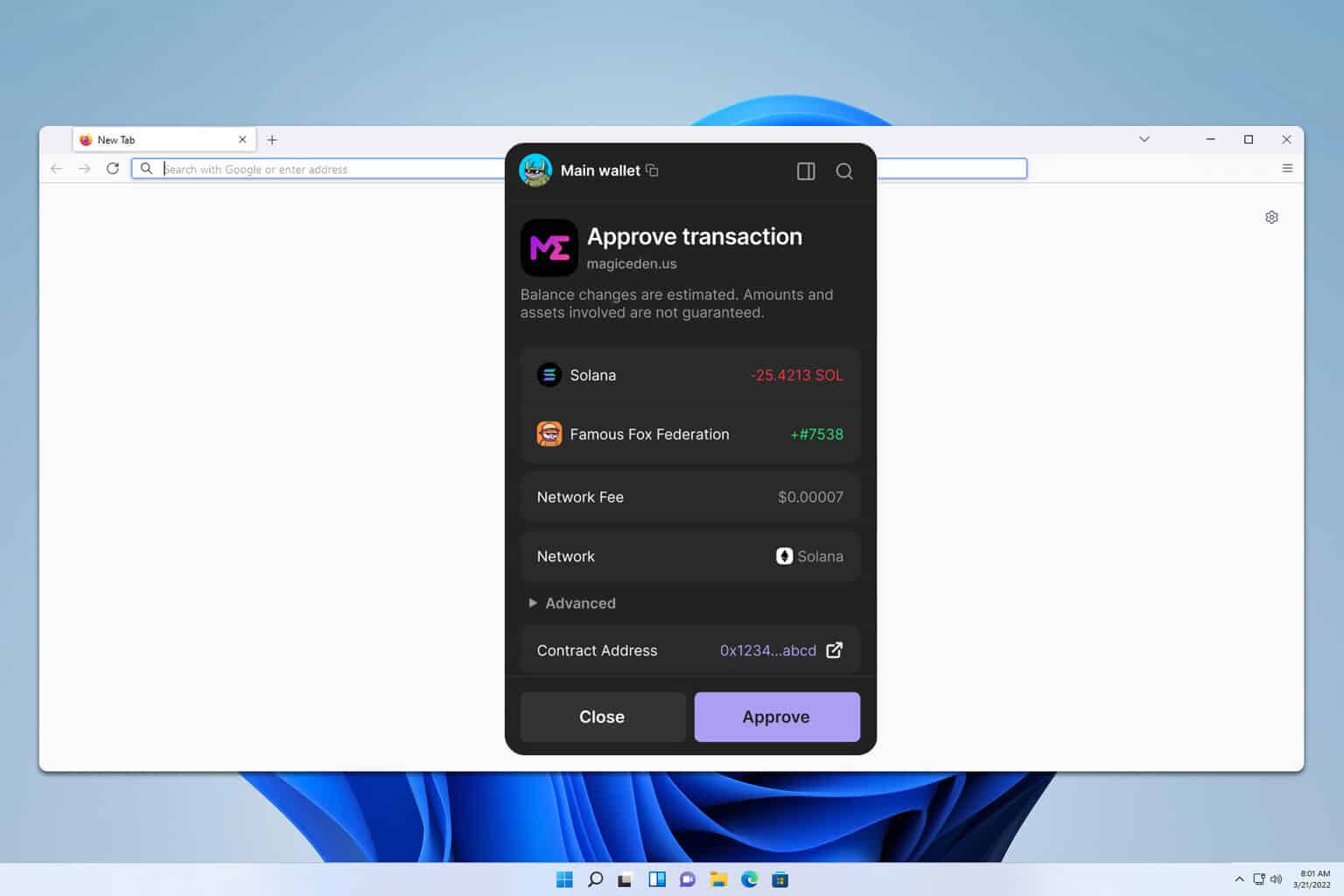
Why try Phantom
Okay, so here’s a practical tip: if you want to try a Solana-first wallet that balances UX and common-sense security, give phantom a look. My quick test runs showed fast connection times, straightforward swap flows, and clear permission dialogs that explain what a dapp will do with your tokens. I’m biased toward things that “just work” because they lower the activation energy for new users, though I’m also picky about security defaults and real transparency. If you do choose to try it, use a small amount first—treat it like a demo account—and only upgrade your trust after you confirm behavior across a couple of dapps.
Whoa! Developers also care about extension APIs. The more predictable and well-documented an extension’s API is, the easier it is for dapps to build smooth integrations that respect user consent, and that duck-tails directly into safer flows. My early impression was that Solana tooling matured fast, which made developer onboarding less painful than I expected. That momentum matters because better developer ergonomics usually produce better user experiences, and those in turn increase retention and ecosystem health. Long story: the cycle is virtuous when product teams and protocol devs focus on safety, not just novelty.
Seriously, there are trade-offs in feature design. Advanced features—like programmable approvals, burn-on-approve, or scheduled transactions—sound great, but each adds surface area for bugs and misuse. I’ve seen cool experimental UX that looked promising then created edge-case security holes, and that taught me to appreciate cautious rollout strategies. On one hand, innovation moves the space forward quickly; on the other hand, incrementalism saves a lot of headaches for users who are still learning basics. Design decisions should be guided by user error models, not just what looks slick on a product roadmap.
Whoa! The social side is underplayed. Wallet extensions are the on-ramp for social experiences like NFT drops, DAO participation, and community governance. Those interactions rely on trust, both in the software and between people. My instinct says high-quality tooling reduces friction in social crypto outcomes more than flashy tokenomics do. But trust is fragile—missteps by one wallet or a big exploit can dent an entire community’s confidence, and recovery takes time and visible fixes. So the community’s emotional memory matters, and product teams need to respect that history when shipping changes.
Okay, to wrap in a real-feel way—I’m optimistic. Not naively so. The combination of Solana’s throughput and pragmatic extension design has made everyday DeFi feel lighter and faster for a lot of users I talk to in the US and in dev hubs. There’s still work to do: better in-app education, clearer cross-chain primitives, and careful rollout of advanced features. I’m biased, sure. But if you want a practical next step, try the extension in a controlled way, back up your seeds, and consider hardware for significant holdings. This part matters a lot—like very very important—and it’s also a place where small habits save you a lot of pain down the road…
FAQ
Is a browser extension wallet safe for daily use?
Short answer: yes, for small, everyday transactions if you follow basic hygiene. Use a strong password, enable any available security features, double-check dapp permissions, and keep larger balances in cold or hardware storage. Treat the extension like your mobile banking app: convenient for daily spending, not for your entire life savings.
Can Phantom connect to hardware wallets?
Yes—many modern browser extensions, Phantom included, offer hardware wallet integration so you can sign high-value transactions on a secure device. This hybrid setup gives you the convenience of the extension for routine actions while keeping big holdings offline, which is a practical middle ground for most people.
Leave a Reply